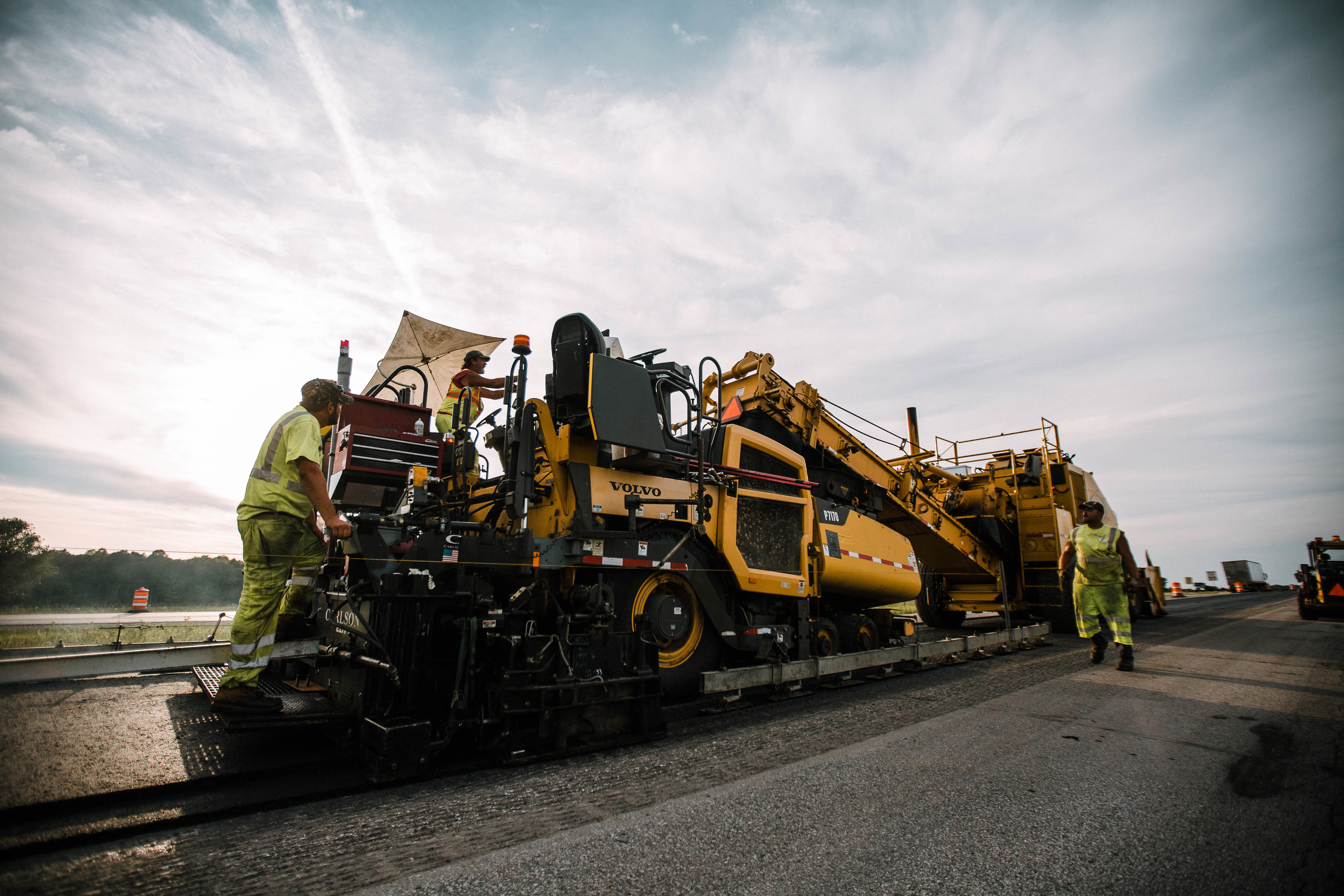



Congratulations on selecting asphalt pavement for your new (driveway/parking lot/roadway). We are pleased that you chose Northeast Asphalt, Inc. as your paving contractor and hope the information contained here will answer any questions you may have regarding the long term performance of hot mix asphalt (HMA) pavement.
Your new pavement will become softer or harder as temperatures rise and fall. Unlike concrete, HMA is designed to be flexible, so during the first year or so, while the pavement cures, be careful not to turn steering wheels while vehicles are stationary, because it may cause some "scuffing" of the surface. Scuffed areas look bad initially, but will disappear over time with no structural damage. Excessive weight from large vehicles may create depressions in the new pavement. If you park trailers (boats, campers, etc.) on the new pavement, we recommend you put plywood or some other large, flat item under the tongue and wheels to spread the load, particularly during warm weather.
The surface of the new pavement may look slightly different in some areas because of the composition of HMA. The HMA is made up of various sizes of stone, sand, liquid asphalt and other components which, when spread with a paver or by hand may result in different surface textures. There is no difference in pavement quality, however.
We made every effort to avoid leaving low spots on your pavement, but some puddles could develop depending on the natural slope and drainage of your property. Buried stumps, rocks, roots and other materials underneath the base course before construction can cause surface irregularities or even depressions over the years from frost action, settlement of the subgrade, organic decay and thermal expansion/contraction.
To protect and help support the edges of the new pavement, we suggest that you install stone, gravel or topsoil around it's perimeter. This acts much the same as a shoulder on a highway. It will help to control erosion on sloping pavements, support the pavement edges and enhance the appearance of the pavement.
Avoid leaks or spills of gasoline, fuel oil, lubricants and other petroleum base products on the pavement. These products will eventually dissolve the liquid asphalt and damage the pavement. If you do get deposits of these products, scrub the area thoroughly with soap or detergent and rinse well with water.
If cracks develop, fill with a commercially applied rubberized crack filler. This will reduce water infiltration into the base course and help prolong the life of the pavement.
Pavement Care (PDF) |